
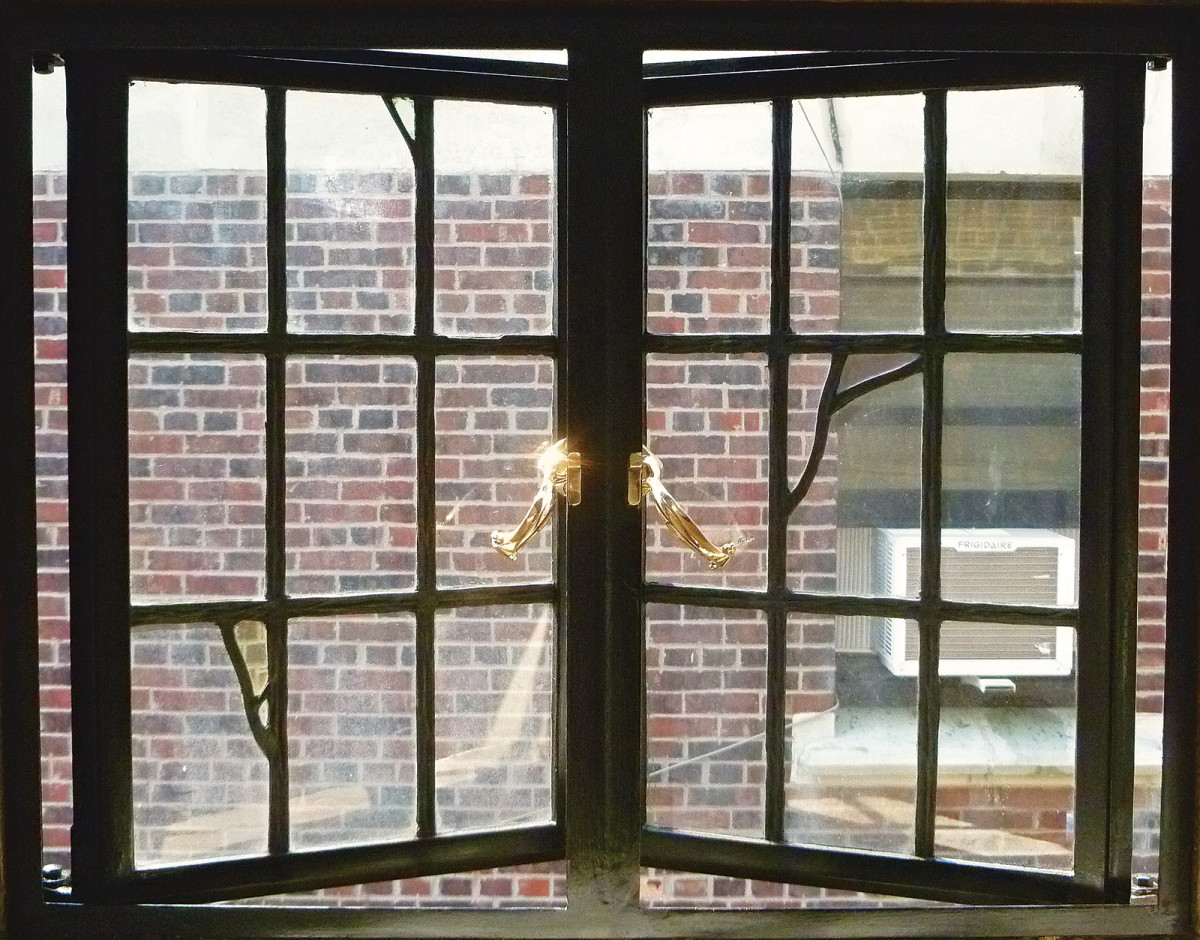
Steel Windows have a long and high-rise chronicle, trace their origins back to the industrial era when they were first utilized for their uncomparable effectiveness and enduringness. Initially, nerve windows were blessed in factories and warehouses, environments where their robust nature could withstand the rigors of heavy-duty natural action. Their power to support boastfully panes of glaze also allowed for greater cancel light, an requirement boast for up working conditions in such settings. These early on applications cemented the repute of steel windows as a honest and virtual choice for difficult environments.
As subject field styles evolved, so too did the practical application of nerve Windows. Moving from strictly functional heavy-duty settings, metal doors began to find a place in more esthetic-driven applications. In the early on 20th century, the Art Deco and Modernist movements embraced the slick lines and minimalist profiles that steel windows offered. Architects like Le Corbusier and Walter Gropius championed the use of steel windows in their designs, highlighting how these windows could blend form and operate. The power of steel windows to create expansive, unbroken views became a hallmark of Bodoni computer architecture, symbolising a new era of design that prioritized openness and dismount.
In contemporary home plan, nerve Windows have become a coveted feature for their typical intermingle of style and performance. Homeowners and designers likewise appreciate the thin sightlines and boastfully glaze expanses that nerve windows cater, which allow for uttermost natural dismount and patent views. The versatility of nerve substance that these windows can be tailored to suit a variety of fine arts styles, from slick and Bodoni to rural and orthodox. Advances in manufacturing have also improved the energy and strength of nerve windows, making them a virtual choice for residential use.
Moreover, the esthetic invoke of nerve Windows lies in their ability to transmit a feel of strength and simultaneously. The stuff 39;s implicit sturdiness allows for the cosmos of slim profiles that other materials cannot play off, gift buildings a characteristic, streamlined look. This characteristic is particularly valued in municipality settings, where maximising both quad and unhorse is crucial. Steel Windows often do as a focal direct in such designs, adding a touch of industrial chic to contemporary homes and renovations.
Today, the resurgence in popularity of nerve Windows can be attributed to their unchanged appeal and adaptability. As sustainability becomes an increasingly epoch-making thoughtfulness in building design, nerve Windows volunteer the vantage of being extremely recyclable. Additionally, Bodoni font product techniques have increased their thermic performance, ensuring that they meet stream vim efficiency standards without compromising on their esthetic qualities. This combination of beauty, potency, and sustainability ensures that steel windows stay on a under consideration and worthy selection for modern homes.
In ending, the evolution of nerve windows from industrial origins to modern home applications showcases their long-suffering versatility and appeal. Whether used in a historic refurbishment or a thinning-edge new build, steel windows carry on to offer a unusual combination of strength, elegance, and functionality that resonates with coeval architectural trends. Their travel from the factories of the past to the in vogue homes of nowadays reflects the ongoing innovation and adaptability of this unchanged stuff.