
In the fast-paced world of foodservice and retail, deli containers serve as unsung heroes—keeping meals fresh, portions controlled, and operations smooth. These versatile containers have evolved far beyond simple storage solutions, now playing crucial roles in branding, sustainability initiatives, and customer satisfaction. From compact 2 oz sauce cups to generous 32 oz family-sized containers, each size serves specific purposes that can make or break the dining experience. Understanding this spectrum of options empowers restaurants, delis, and food retailers to make informed choices that enhance operations while meeting customer expectations for quality and convenience.
The Importance of Proper Sizing
Selecting the right deli container size impacts more than just storage logistics—it directly influences customer perception and operational efficiency. Research shows that properly portioned containers filled to about 95% capacity create the ideal visual presentation, signaling value without appearing skimpy or wasteful. This balance is particularly crucial for takeout and delivery operations where visual appeal translates directly to customer satisfaction and repeat business.
Beyond customer perception, container sizing affects back-of-house operations. Standardizing on a few optimal sizes simplifies inventory management, maximizes refrigerator and shelf space, and reduces food waste. The right-sized containers prevent overportioning while ensuring staff can pack orders quickly and consistently. For businesses exploring sustainable options like molded pulp box solutions, size standardization becomes even more valuable for maintaining efficiency during material transitions.
Common Deli Container Sizes and Uses
Material Options for Deli Containers
Modern deli containers come in various materials, each with distinct advantages for different applications. Traditional polypropylene (PP) plastic remains popular for its durability, clarity, and cost-effectiveness, though environmental concerns have driven demand for alternatives. Paper-based containers with plastic or wax linings offer a middle ground, though their recyclability varies by local facilities. Glass containers provide premium reusability but suffer from weight and breakage issues in commercial settings.
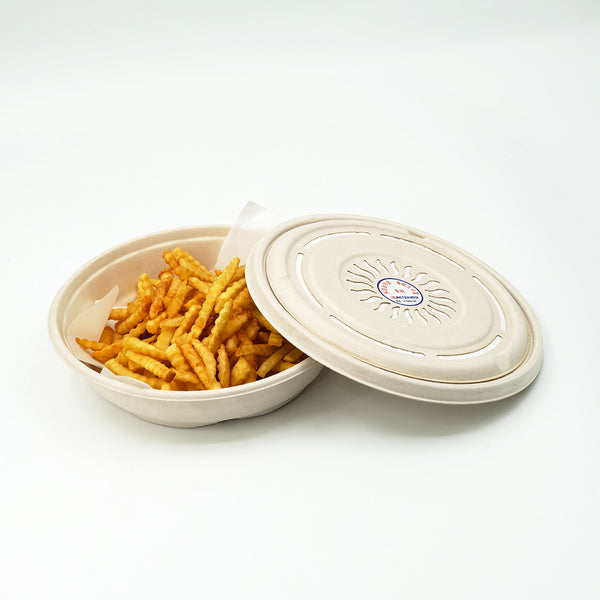
Sustainable materials like bagasse (sugarcane fiber) and molded pulp have emerged as leading eco-friendly alternatives. These plant-based options are industrially compostable, microwave-safe, and sturdy enough for most foodservice applications. As consumer awareness of food packaging impacts grows, businesses adopting these materials often see improved brand perception and customer loyalty alongside their environmental benefits.
Durable, cost-effective plastic suitable for hot and cold foods. Recyclable in some areas but often ends up in landfills.
Sugarcane fiber material that's compostable, sturdy, and heat-resistant. Ideal for eco-conscious businesses.
Made from recycled paper or agricultural waste, customizable for specific food types and compostable after use.
Often lined with plastic or wax, suitable for dry foods. Limited recycling potential due to mixed materials.
Key Features for Commercial Use
Deli containers designed for foodservice require specific features to withstand daily demands. Leak-proof lids are essential for saucy items and soups, preventing messy spills during transit. Stackability optimizes storage space in crowded kitchens and delivery bags, while uniform sizing allows for efficient stacking in refrigerators and transport containers. For businesses handling both hot and cold items, containers that are freezer-to-microwave safe eliminate the need for food transfers between containers.
Durability is equally crucial—containers must resist cracking when stacked or dropped during busy service periods. Some operators prefer clear containers that showcase food visually, while others opt for opaque options that conceal contents for a cleaner presentation. The growing emphasis on sustainability has made features like compostability and recycled content increasingly important differentiators that resonate with environmentally conscious customers.
| Feature | Importance | Best Material Choices |
|---|---|---|
| Leak Resistance | Critical for saucy/liquid foods | PP Plastic, Bagasse with tight lids |
| Stackability | Maximizes storage efficiency | All materials with uniform sizing |
| Temperature Resistance | Freezer-to-microwave flexibility | PP Plastic, Bagasse, Molded Pulp |
| Eco-Friendliness | Growing customer expectation | Bagasse, Molded Pulp, Recycled PP |
Selecting Containers for Specific Applications
Different foodservice operations require tailored container strategies. Quick-service restaurants benefit from standardized sizes that streamline packaging during peak hours—typically 8 oz for sides, 16 oz for entrees, and 32 oz for family meals. Salad bars and poke shops often prefer shallower 12-16 oz containers that display ingredients attractively while preventing sogginess. Caterers and meal prep services frequently utilize compartmentalized containers in the 24-32 oz range to keep components separate during transport.
Specialty shapes like hexagonal containers made from molded pulp offer distinctive presentation opportunities for premium offerings. These unique formats can help businesses differentiate their takeout meals while maintaining sustainability credentials. When evaluating options, consider testing samples with your actual menu items—a container that works perfectly for grain bowls might be less ideal for saucy pastas or layered desserts.
Implementing Container Solutions
Transitioning to new container systems requires careful planning. Begin by auditing current container usage across all menu items, noting which sizes are frequently underfilled or overstuffed. Consult with staff about operational pain points—containers that are difficult to seal or stack can slow down service during busy periods. Consider conducting customer surveys or focus groups to gauge reactions to potential new packaging, especially if introducing eco-friendly materials that may look or feel different from traditional options.
Phased implementation often works best, starting with one menu category or service daypart. This allows for real-world testing and adjustments before full rollout. When introducing sustainable options like compostable containers, ensure staff understands proper handling and disposal procedures to maximize environmental benefits. Many suppliers including InNature Pack offer sample programs that let businesses test containers with actual menu items before committing to large orders.