
Buy Degree Buying a degree is a controversial topic that raises important questions about legitimacy, value, and long-term consequences. Many online sites offer quick degrees, but not all of them are recognised or respected by employers and institutions.
Many people today opt to buy degree options due to various reasons, including convenience and the desire for quick qualifications.
Before you buy degree options, you should research the implications thoroughly to ensure the legitimacy of the degree.
Understanding what it really means to buy a degree, the risks involved, and how employers view such credentials can help readers make informed decisions. This article aims to clarify what to expect from these offers and highlights the differences between legitimate and suspicious sources.
Understanding the Concept of Buying a Degree Buy Degree
Understanding the process involved when you choose to buy degree credentials is crucial for making informed choices.
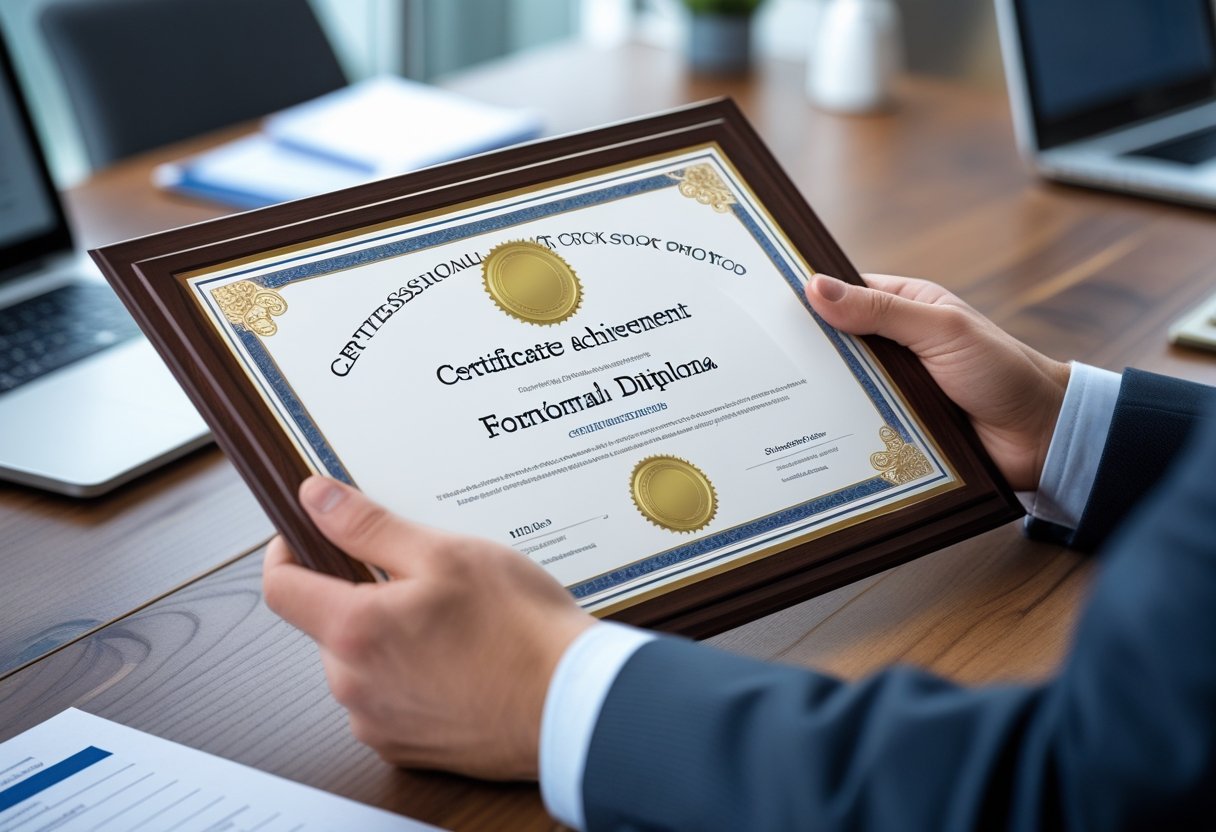
When individuals decide to buy degree certificates, they may not be aware of the long-term impact on their career prospects.
Choosing to buy degree documents should involve careful consideration of the provider’s reputation to avoid scams.
Those who buy degree qualifications often hope to gain benefits without the commitment of traditional education.
Obtaining a degree by purchasing it rather than earning it through study has become more noticeable with the rise of online services. Various types of degrees, from bachelor’s to doctoral, are available for purchase, and different motivations drive this decision.
Individuals may choose to buy degree qualifications as a shortcut, but they must weigh the potential consequences.
Some may not realize that when they buy degree credentials, they could be risking their professional integrity.
If you plan to buy degree options, it’s crucial to ensure that the degree aligns with your career goals.
Definition and Overview
Understanding the various types when you choose to buy degree certificates can also help in making a suitable choice.
The practice of buying a degree refers to acquiring academic qualifications, such as a bachelor’s degree or master’s degree, without fulfilling the usual academic requirements. These are often offered through unaccredited institutions, sometimes called diploma mills, which may promise official-looking documents for a fee.
Buying a degree online typically involves a straightforward transaction. Individuals pay for a certificate or documentation that states they have completed a specific programme, even though no coursework or examinations have taken place. This process bypasses the traditional learning and assessment methods used by recognised universities and colleges.
The purchased degrees range from certificates claiming to be from established universities to bespoke online degrees that appear legitimate but hold no academic value or legal recognition.
It’s essential to know the differences in the degrees offered before you decide to buy degree documentation.
Common Motivations
If you buy degree papers from unaccredited institutions, you may face potential challenges in recognition.
Several factors lead individuals to consider purchasing degrees. The most cited motivation is the desire for career advancement, as some employers require formal qualifications for promotions or job applications. Buying a degree may allow a person to meet minimum criteria without investing years in study.
Other motivations include saving time and costs associated with traditional programmes. Some turn to buy degree online options to quickly match peers or satisfy visa, regulatory, or licensure needs. A few might be unaware they are obtaining a degree from a questionable source and believe the credential is genuine.
Peer or societal pressure can also play a role, as holding a master’s degree or doctoral degree may boost social standing. Despite these reasons, using a purchased degree presents significant ethical, legal, and reputational risks.
Types of Degrees Available
Degrees available for purchase encompass most common academic qualifications. Buyers can typically choose from bachelor’s degrees, master’s degrees, doctoral degrees, and sometimes professional certifications.
Being aware of the differences between accredited and unaccredited options is key when you buy degree credentials.
When individuals choose to buy degree from unaccredited sources, they often find their degrees lack legitimacy.
Table: Common Degrees Available to Buy Online
Careful consideration is needed to ensure the degree purchased reflects a credible background when you buy degree options.
Many aspire to buy degree qualifications from prestigious universities for better job opportunities.
| Degree Type | Example Title | Duration (Traditional) |
|---|---|---|
| Bachelor’s Degree | Bachelor of Arts (BA) | 3–4 years |
| Master’s Degree | Master of Science (MSc) | 1–2 years |
| Doctoral Degree | Doctor of Philosophy (PhD) | 3+ years |
| Online Degree | Varies | Varies |
Online degree vendors often allow customisation of the field of study or specialisation. While these documents are presented as legitimate, they are typically not recognised by employers, government agencies, or accredited universities. Some institutions offer digital versions that look official but lack any valid educational backing.
Legitimacy and Accreditation of Online Degrees Buy Degree

Accreditation confirms an institution’s adherence to educational standards. The recognition of an online degree relies on the type and source of accreditation, as well as whether the awarding body is an accredited and reputable university or college.
Institutional and Programmatic Accreditation
Institutional accreditation applies to the entire university or college. It is granted by government-approved accrediting agencies and confirms that the accredited institution meets minimum educational standards. For example, many UK universities and top universities worldwide hold recognised institutional accreditation.
Programmatic accreditation focuses on specific programmes—such as law, engineering, or medicine—within an accredited college. For instance, a business school may have accreditation from bodies like AACSB or EQUIS, which adds another layer of quality assurance to a degree.
Both types of accreditation are important. Prospective students and employers should look for institutions and degree programmes accredited by government-recognised agencies or professional bodies.
Buy Degree Accredited vs Unaccredited Institutions
An accredited degree is one awarded by an institution that has obtained either national or regional accreditation from a recognised authority. This status affects the recognition of both the degree certificate and the institution by employers, governments, and other universities.
Unaccredited institutions lack approval from official accreditation bodies. Typically, their degrees are not recognised by employers or eligible for further study, visa sponsorship, or professional licensing.
A lack of accreditation is a major red flag. If a “university” or “college” does not appear on official government or accreditation lists, its awards may be considered worthless or even fraudulent in some regions.
Recognised Universities and Prestigious Colleges
A recognised university is listed by official education authorities in a given country. Prestigious universities—such as the University of Oxford, University of Cambridge, and Imperial College London—are not only accredited but also have longstanding reputations for quality.
The table below lists attributes typically associated with recognised and highly regarded universities:
| Attribute | Recognised University | Prestigious University |
|---|---|---|
| Accreditation | Always present | Always present |
| Degree Recognition | National and often international | National and widely international |
| Quality of Instruction | Meets minimum standards | Often exceeds high standards |
| Alumni Reputation | Varies | Usually very strong |
Choosing degrees from such institutions can improve career prospects, ease global mobility, and enhance credibility.
Genuine vs Fake Degrees
A genuine degree is awarded after completion of the academic requirements set by an accredited institution. These degrees are verifiable through official channels, such as university records or national verification systems.
Fake degrees (also known as diploma mill certificates) are sold for a fee without the need for academic study or assessment. These often come from organisations using names similar to top universities or accredited colleges, but lack real accreditation or recognition.
Warning signs include unusually fast graduation timelines, lack of coursework, or use of imitation seals and logos. Purchasing or using fake degrees can result in legal penalties, job loss, and irreparable damage to reputation.
Buy Degree How to Buy a Degree Online Safely
It is essential to distinguish between legitimate online education opportunities and potential scams. Buyers should focus on reputable sources and pay close attention to accreditation, official recognition, and the validity of documentation.
Selecting Trusted Providers
Choosing a trusted provider is the first and most important step. Reputable organisations often have legal standing, a clear online presence, and are transparent about their offerings. Avoid sites promising degrees “with no study required”, or where only minimal information is provided about how their programmes work.
Key indicators of trusted providers include:
-
Clearly stated university partnerships
-
Professional customer support
-
Real reviews or testimonials
-
Verifiable contact information
Providers based in recognised jurisdictions such as the United Kingdom often have to operate under strict regulations. Research the provider’s history, check independent reviews, and use resources like the government’s or educational authorities’ lists of approved institutions.