
Category: Health & Fitness

Signs Your Practice Needs a Consultant?Signs Your Practice Needs a Consultant?

Running a medical practice is more challenging today than ever before. Between patient care, regulatory compliance, staffing issues, billing complexities, and rapid changes in healthcare technology, many practitioners feel overwhelmed. Even the most dedicated professionals can find themselves stretched thin, unsure how to move forward, and noticing cracks in their day-to-day operations.

What if the solution isn’t to work harder—but smarter? That’s where a consultant comes in. A consultant can step in to analyze your practice, uncover inefficiencies, and help implement strategies that bring lasting results. With medical practice management consulting, doctors and healthcare administrators can finally get the clarity, structure, and support they need to thrive in today’s competitive environment.

If you’ve ever wondered whether it’s time to seek outside help, this guide will walk you through the signs your practice needs a consultant. From declining revenue to rising staff turnover, recognizing these red flags early could be the key to turning your practice around.


Why Practices Turn to Consultants

Healthcare is unique in that it blends business operations with patient-centered care. While physicians excel at providing excellent medical services, running the business side of a practice often requires a different skill set. Consultants who specialize in medical practice management consulting bring expertise in areas that busy practitioners don’t always have the time or training to master, such as:

  • Financial management

  • Workflow optimization

  • Compliance with healthcare laws and regulations

  • Staff training and retention strategies

  • Patient experience improvements

  • Strategic growth planning

Knowing when to bring in an expert can save your practice from costly mistakes and position you for long-term success.


The Most Common Signs Your Practice Needs a Consultant

1. Declining or Flat Revenue

Revenue is the lifeblood of any medical practice. If your income is declining or stagnating despite maintaining—or even increasing—patient volume, it’s a clear signal that something isn’t right.

Consultants can:

  • Analyze your billing and coding practices.

  • Identify gaps in revenue cycle management.

  • Provide strategies to reduce claim denials.

  • Recommend better financial forecasting methods.

With medical practice management consulting, you gain a deeper understanding of where money is leaking and how to fix it.


2. Increasing Patient Complaints

Happy patients are the foundation of a thriving practice. If complaints about wait times, billing confusion, or communication issues are on the rise, your practice’s reputation could be at risk.

A consultant can evaluate the patient journey—from scheduling to post-visit follow-ups—and pinpoint areas that need improvement. Simple process changes can transform the patient experience, leading to higher satisfaction and loyalty.


3. High Staff Turnover

Your team is essential to keeping your practice running smoothly. If you’re constantly hiring and training new staff, you’re losing both time and money.

Signs that your staffing issues may need outside help include:

  • Frequent resignations.

  • Low staff morale.

  • Inefficient team communication.

  • Lack of proper training or role clarity.

Consultants provide strategies for better human resource management, leadership training, and building a healthier work culture.


4. Compliance and Regulatory Struggles

Healthcare is heavily regulated, and staying compliant can feel like walking through a minefield. Whether it’s HIPAA violations, billing compliance issues, or new state and federal mandates, mistakes can lead to fines or even legal trouble.

A consultant well-versed in medical practice management consulting ensures your practice is following all current guidelines and helps you establish systems to remain compliant moving forward.


5. Inefficient Workflows

If you’ve noticed bottlenecks in scheduling, long wait times, or confusion in communication between departments, you likely have workflow inefficiencies.

Consultants can:

  • Map out your current processes.

  • Identify areas of duplication or wasted effort.

  • Introduce technology solutions for efficiency.

  • Train staff on improved systems.

Streamlining workflows often results in both cost savings and better patient outcomes.


6. Technology Challenges

Are you struggling with outdated software, electronic health records (EHR) integration, or telemedicine implementation? Technology is supposed to help, but when poorly managed, it creates more frustration.

Consultants help you select, implement, and train staff on the right technology solutions—ensuring they enhance rather than hinder your practice.


7. Stalled Growth

If your practice isn’t growing—or worse, shrinking—you may need a fresh perspective. Consultants can help with:

  • Strategic marketing plans.

  • Expanding service offerings.

  • Exploring new locations or partnerships.

  • Understanding market trends.

Through medical practice management consulting, you’ll develop a roadmap to expand without overstretching resources.


8. Burnout Among Leadership

Physician burnout is at an all-time high, and administrative burnout isn’t far behind. If you find yourself constantly exhausted, stressed, and unable to make clear decisions, it may be time to delegate strategic guidance to a consultant.

A consultant acts as an objective advisor, giving you tools and support to reduce stress while regaining control of your practice.


9. Poor Financial Visibility

Many practices operate without clear financial data. Without accurate reporting, it’s impossible to make informed decisions.

Consultants can implement systems that track key performance indicators (KPIs), giving you real-time visibility into your practice’s health. This includes cash flow analysis, expense management, and forecasting.


10. Declining Patient Retention

Attracting new patients is important, but retaining existing ones is often more profitable. If patients don’t return after their first visit, a consultant can help identify the reasons and recommend retention strategies.

This might include improving communication, offering patient education programs, or implementing loyalty initiatives.


Benefits of Hiring a Consultant

Hiring a consultant isn’t just about fixing problems—it’s about unlocking potential. With medical practice management consulting, you gain:

  • Objective perspective: An outside expert sees what you may have overlooked.

  • Industry expertise: Consultants know what works across different practices.

  • Time savings: Delegating complex business issues frees you to focus on patient care.

  • Financial improvements: From reducing costs to increasing revenue, consultants deliver measurable results.

  • Scalability: Consultants prepare your practice for sustainable growth.


How Consultants Work With Practices

When you bring in a consultant, they typically follow a structured process:

  1. Initial Assessment – Reviewing current financials, workflows, staff performance, and patient feedback.

  2. Diagnosis – Identifying the biggest challenges and areas for improvement.

  3. Strategy Development – Creating a tailored plan with clear goals.

  4. Implementation – Guiding you and your staff through changes.

  5. Monitoring and Support – Ensuring changes are successful and sustainable.

This systematic approach ensures you don’t just get advice—you see real transformation.


Overcoming Common Objections

Some practice owners hesitate to bring in consultants due to cost or fear of change. However, the reality is:

  • The cost of not hiring a consultant—lost revenue, compliance fines, staff turnover—is often higher.

  • Consultants don’t replace you—they empower you.

  • Change doesn’t have to be overwhelming; with proper guidance, it becomes manageable.


When NOT to Hire a Consultant

While consultants are highly beneficial, there are moments when you may not need one. For instance:

  • If your practice is already thriving financially, operationally, and culturally.

  • If leadership is resistant to change and won’t implement recommendations.

  • If you’re unwilling to invest time in training and adapting to new systems.

Consultants provide tools, but success depends on your willingness to use them.


How to Choose the Right Consultant

Not all consultants are created equal. To ensure the best outcome, look for:

  • Experience in healthcare – Industry-specific knowledge matters.

  • Proven track record – Ask for case studies or references.

  • Customized solutions – Beware of one-size-fits-all approaches.

  • Strong communication skills – They should work well with your staff.

  • Commitment to measurable results – Insist on clear KPIs and follow-up.


Conclusion

Running a medical practice isn’t easy—but it doesn’t have to feel impossible. If you’ve noticed declining revenue, increasing staff turnover, compliance worries, or simply the sense that you’re working harder without moving forward, it may be time to bring in a consultant.

With the right guidance in medical practice management consulting, your practice can transform from struggling to thriving. The key is recognizing the signs early and taking decisive action.

A consultant won’t just fix problems; they’ll help you build a resilient, efficient, and future-ready practice—allowing you to focus on what you do best: caring for patients.
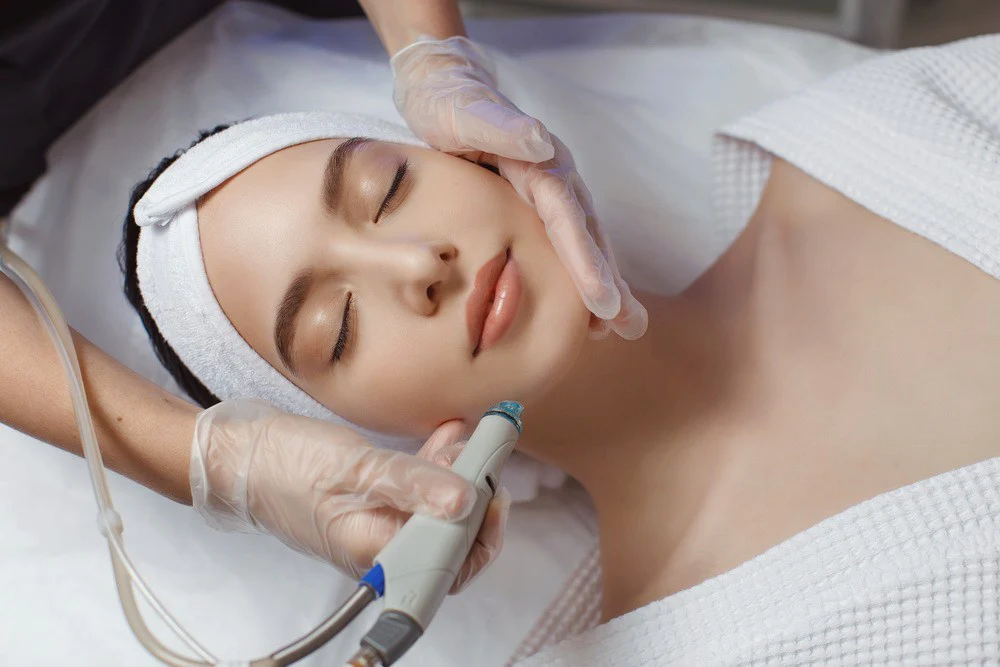

Exploring the Intersection of Medicine and Beauty: The Rise of Medical AestheticsExploring the Intersection of Medicine and Beauty: The Rise of Medical Aesthetics

The field of medical aesthetics, often referred to as medical beauty, has seen an unprecedented surge in popularity over the past few decades. Merging medical science with cosmetic enhancement, medical beauty treatments have become mainstream, offering individuals safer and more effective ways to address aesthetic concerns without the need for invasive surgery. As the demand for these procedures continues to grow, it’s important to explore what medical beauty is, how it works, and why it’s transforming the beauty industry.

What Is Medical Beauty?

Medical beauty involves procedures that utilize medical-grade technologies and techniques to enhance an individual’s physical appearance. Unlike traditional beauty treatments like haircuts or facials, which are typically carried out by non-medical professionals, medical beauty treatments require the expertise of licensed practitioners—such as dermatologists, plastic surgeons, or trained medical aestheticians.

The goal of medical aesthetics is to improve the appearance, health, and function of the skin and body. This includes addressing common concerns like wrinkles, uneven skin tone, acne, and unwanted fat. Procedures in this field can be non-invasive, minimally invasive, or involve slight surgical intervention, depending on the desired outcome.

Popular Medical Beauty Procedures

Medical beauty encompasses a wide range of treatments, each designed to achieve specific aesthetic goals. Here are some of the most popular procedures that have gained traction over the years:

  1. Botox and Neuromodulators

    • Botox, along with other neuromodulators like Dysport and Xeomin, is one of the most well-known medical beauty treatments. These injectable products work by temporarily paralyzing muscles responsible for causing wrinkles and fine lines. Botox is commonly used on the forehead, crow’s feet, and between the brows to give the face a smoother, more youthful appearance.
  2. Dermal Fillers

    • Dermal fillers are injectable gels used to restore volume, smooth out wrinkles, and enhance facial contours. These fillers are commonly made from hyaluronic acid, calcium hydroxyapatite, or poly-L-lactic acid. They can be used to plump lips, define the jawline, fill in under-eye hollows, or lift sagging skin. Results are immediate and last anywhere from 6 months to a year, depending on the product used.
  3. Laser Skin Treatments

    • Laser treatments have revolutionized the world of skincare, providing solutions for a variety of concerns. From removing unwanted hair and treating acne scars to reducing sun damage and tightening the skin, lasers offer a precise and effective method for rejuvenating the skin. Common laser treatments include:
      • Laser Hair Removal: A permanent solution for reducing unwanted hair, laser hair removal uses intense light to target and destroy hair follicles.
      • Fractional Laser Resurfacing: This treatment targets layers of skin to reduce the appearance of fine lines, wrinkles, scars, and pigmentation irregularities.
      • CO2 Laser: Known for its ability to remove deep wrinkles and enhance skin texture, the CO2 laser is often used for more significant skin rejuvenation.
  4. Chemical Peels

    • Chemical peels involve the application of a chemical solution to exfoliate the skin, removing dead cells and encouraging new skin growth. These peels come in varying strengths (superficial, medium, and deep) to address issues such as acne, hyperpigmentation, or signs of aging. Results can range from subtle to dramatic, depending on the depth of the peel.
  5. Microneedling (Collagen Induction Therapy)

    • Microneedling is a non-invasive treatment that uses tiny needles to create controlled micro-injuries in the skin. This stimulates the body’s natural healing process, encouraging the production of collagen and elastin. Microneedling is effective for treating acne scars, stretch marks, and fine lines, and it can even enhance the absorption of skincare products.
  6. CoolSculpting and Non-Surgical Fat Reduction

    • CoolSculpting (also known as cryolipolysis) is a popular fat reduction treatment that uses cold temperatures to freeze and eliminate fat cells. The process targets stubborn fat deposits in areas such as the abdomen, thighs, and flanks. As fat cells are destroyed and flushed from the body, clients enjoy a slimmer contour without the need for surgery.
  7. Platelet-Rich Plasma (PRP) Therapy

    • PRP therapy, often referred to as the "vampire facial," uses the patient’s own blood to promote healing and rejuvenation. After drawing a small amount of blood, it’s processed to concentrate the platelets, which are rich in growth factors. The PRP is then injected into areas of the face or scalp to stimulate collagen production, enhance skin texture, and promote hair growth.

The Benefits of Medical Beauty

Medical beauty treatments offer a number of advantages over traditional cosmetic procedures. These include:

  1. Minimal Downtime

    • Many medical beauty treatments are non-surgical, meaning they require little to no recovery time. For example, Botox injections or dermal fillers typically involve minimal swelling or bruising, allowing clients to return to their daily activities almost immediately.
  2. Safe and Effective Results

    • Since these treatments are performed by licensed medical professionals, they are considered safe and are often backed by extensive research. With the right practitioner, patients can achieve natural-looking results without the risks that come with more invasive surgical procedures.
  3. Long-Lasting Effects

    • Many medical beauty treatments provide long-lasting results, often months or even years, depending on the procedure. For example, Botox typically lasts three to six months, while dermal fillers can last anywhere from six months to two years. This provides more enduring solutions compared to traditional beauty treatments that require constant reapplication.
  4. Customizable Treatments

    • One of the key benefits of medical beauty is its ability to be customized to suit the individual’s needs. Whether someone is looking for subtle enhancement or a more dramatic transformation, treatments can be tailored to achieve specific goals, ensuring that no two treatment plans are the same.
  5. Natural-Looking Results

    • One of the main concerns people have when considering aesthetic treatments is the fear of looking “done” or unnatural. Skilled professionals in medical aesthetics focus on enhancing one’s features rather than altering them drastically, resulting in a more youthful and refreshed appearance that still looks authentic.

The Future of Medical Beauty

The future of medical 美容療程 is filled with exciting possibilities. As technology continues to advance, we can expect even more innovative treatments to emerge, offering greater precision and more effective results. Additionally, the growing awareness of non-invasive procedures has led to an increase in demand for these treatments, making them more accessible to a wider audience.

The trend of personalized medicine is also making its way into the beauty industry, with customized treatments designed specifically for an individual’s skin type, aging process, and beauty goals. Artificial intelligence and machine learning are already being used to analyze skin conditions and recommend the best treatments, taking personalization to the next level.

Conclusion

Medical beauty is reshaping the landscape of the beauty industry by offering clients effective, non-invasive alternatives to traditional cosmetic surgery. With a wide variety of treatments available to address everything from wrinkles and acne to unwanted fat and hair, medical aesthetics provide safe, long-lasting, and natural-looking results. As technology continues to evolve, the future of medical beauty looks incredibly promising, making it easier than ever for individuals to enhance their appearance and feel more confident in their own skin.

Common Myths About Holistic Health DebunkedCommon Myths About Holistic Health Debunked

Holistic health is a term that often sparks curiosity, skepticism, and sometimes misunderstanding. For many, it conjures up images of herbal remedies, meditation circles, or yoga retreats in remote locations. While some of these associations are accurate, they only scratch the surface of what holistic health really means. At its core, holistic health is a philosophy of wellness that emphasizes balance—addressing not just the body, but also the mind, emotions, and spirit.

Unfortunately, a wide range of myths has clouded the perception of holistic health, causing confusion and even distrust among the public. Some people dismiss it as “unscientific,” while others assume it’s a replacement for conventional medicine. Misconceptions like these prevent individuals from exploring practices that might improve their quality of life when used responsibly and in harmony with evidence-based medical care.

This comprehensive guide, Common Myths About Holistic Health Debunked, explores these misconceptions in depth. By separating fact from fiction, we aim to help you better understand what holistic health is, what it isn’t, how femifly women love drops fit into wellness discussions, and how it can be integrated into modern lifestyles without falling into extremes.


What Holistic Health Really Means

Holistic health is not a passing trend or a vague concept. It’s a structured approach to wellness rooted in the belief that the human body, mind, and spirit are interconnected. Instead of treating only the symptoms of an illness, holistic practices look at the whole person and the underlying causes of discomfort or disease.

For example, instead of simply prescribing medication for insomnia, a holistic practitioner may also explore stress levels, diet, exercise habits, and emotional well-being. By doing so, the treatment plan may include lifestyle changes like meditation, nutritional adjustments, or even counseling alongside conventional medical support.

It’s important to note that holistic health is not anti-science. Many practices, such as acupuncture, massage therapy, and mindfulness meditation, are now supported by substantial research and integrated into hospitals, wellness centers, and rehabilitation programs worldwide.


Myth 1: Holistic Health Rejects Modern Medicine

One of the most widespread misconceptions is that holistic health stands in opposition to modern medicine. Critics often portray holistic practitioners as people who advise against vaccines, medications, or surgical interventions.

In reality, many holistic approaches are complementary rather than competitive. Holistic practitioners often encourage patients to maintain their prescribed treatments while exploring additional methods to improve overall well-being. For instance, cancer patients may benefit from conventional therapies like chemotherapy, while also engaging in holistic practices such as meditation, acupuncture, or nutritional support to ease side effects and improve emotional resilience.

The truth is that Common Myths About Holistic Health Debunked often reveal a middle ground where both worlds work together harmoniously. When practiced responsibly, holistic health values collaboration with conventional medicine, not rejection of it.


Myth 2: Holistic Health is Just About Herbs and Supplements

Another common misunderstanding is that holistic health equals natural remedies, herbal teas, or expensive supplements. While these can play a role in wellness, they are far from the whole picture.

Holistic health encompasses a wide range of practices—nutrition, exercise, mental health counseling, spiritual practices, stress management, and body therapies like massage or chiropractic care. Herbs and supplements are only a fraction of the options available, and they are usually recommended as part of a larger, personalized wellness plan.

By debunking this myth, we can see that holistic health isn’t about “pills in a natural bottle.” It’s about developing a lifestyle that nurtures all aspects of health—mental, physical, and emotional.


Myth 3: Holistic Health is Not Backed by Science

Skeptics often argue that holistic health is nothing more than pseudoscience. While it’s true that not every practice has been rigorously studied, a growing body of scientific evidence supports many holistic therapies.

For example:

  • Mindfulness meditation has been proven to reduce stress, anxiety, and depression.

  • Acupuncture is widely recognized for managing chronic pain and nausea.

  • Yoga improves flexibility, balance, and even cardiovascular health.

Medical institutions like Harvard Medical School and the National Institutes of Health have conducted extensive research into holistic methods, lending credibility to practices that once seemed fringe. The misconception that holistic health lacks evidence often stems from outdated assumptions or lack of awareness.

Common Myths About Holistic Health Debunked highlights the importance of evaluating each practice on its own merit, rather than dismissing an entire field based on stereotypes.


Myth 4: Holistic Health is Only for Spiritual or Religious People

Many people assume that holistic health requires embracing certain spiritual or religious beliefs. While spiritual practices like meditation or yoga may be part of the holistic spectrum, they are not mandatory.

Holistic health is highly adaptable and can be practiced by anyone, regardless of religious affiliation. At its essence, it’s about understanding how physical, emotional, and mental factors influence health. You don’t need to follow a spiritual path to benefit from better nutrition, stress management, or exercise routines.

This myth likely persists because some holistic practitioners incorporate spiritual elements into their approach. However, spirituality is optional—not a requirement—for pursuing holistic health.


Myth 5: Holistic Health is Expensive and Exclusive

The idea that holistic health is only accessible to the wealthy is another misconception. While wellness retreats, private yoga sessions, or organic products can be costly, many holistic practices are free or affordable.

For example:

  • Practicing mindfulness or meditation requires no equipment.

  • Simple dietary changes, such as incorporating more fruits and vegetables, can be cost-effective.

  • Walking, stretching, or exercising at home are all holistic practices that cost little to nothing.

By debunking this myth, it becomes clear that holistic health is about choices, not finances. You don’t need to spend thousands on spa treatments or exotic supplements to embrace a holistic lifestyle.


Myth 6: Holistic Health is Only for People with Chronic Illness

Some believe that holistic health is only valuable for those already struggling with chronic diseases. While it’s true that many people turn to holistic practices when conventional medicine alone isn’t enough, it’s also a proactive approach to prevention.

Incorporating holistic methods into daily life can improve resilience, boost immunity, and reduce stress—long before illness strikes. By prioritizing lifestyle, nutrition, and emotional well-being, individuals can create a strong foundation for long-term health.

The reality is that holistic health is beneficial for everyone, regardless of age or medical condition.


Myth 7: Holistic Health is the Same for Everyone

Another widespread misconception is that holistic health follows a one-size-fits-all model. In truth, holistic care is highly individualized. Each person’s needs, lifestyle, and health challenges are unique, so treatments and recommendations are tailored accordingly.

For instance, two people struggling with anxiety may receive different holistic care plans. One might benefit from meditation and breathing exercises, while another might focus on dietary changes and physical activity. The flexibility of holistic health is what makes it effective.

The idea that holistic health is rigid and uniform is one of the Common Myths About Holistic Health Debunked. In reality, personalization is at its very core.


The Benefits of Integrating Holistic Health into Modern Life

Understanding the truth behind these myths reveals the practical benefits of holistic health. It encourages self-awareness, prevention, and active participation in one’s well-being. By addressing the whole person, holistic health promotes balance that extends beyond physical fitness to include emotional stability, mental clarity, and spiritual peace.

Moreover, the combination of conventional medicine and holistic practices provides a more comprehensive approach to health care. Patients feel empowered and supported, knowing they are not just treating symptoms but improving their overall quality of life.


Conclusion

Holistic health is a broad, adaptable, and evidence-supported approach to well-being that deserves more recognition than the myths suggest. By debunking misconceptions such as “it rejects modern medicine,” “it’s only herbs,” or “it’s unscientific,” we gain a clearer picture of what holistic health truly represents: balance, prevention, and personalization.

Embracing holistic practices does not mean abandoning science or conventional medicine. Instead, it means creating harmony between body, mind, and spirit while working alongside medical professionals when needed. Holistic health is for everyone—affordable, adaptable, and effective.

When we look at Common Myths About Holistic Health Debunked, we realize that the truth is far more empowering than the stereotypes. By making informed choices, anyone can benefit from a holistic lifestyle that promotes lasting health and happiness.

Unlocking The World Power Of Health Supplements What You Need To KnowUnlocking The World Power Of Health Supplements What You Need To Know

In nowadays’s fast-paced world, maintaining a sound and balanced life-style has become increasingly challenging. With busy schedules, lack of time for work out and unhealthy food choices, many of us are not getting the necessary nutrients our bodies need to work at their best. That’s where health supplements come in.

Health supplements, also known as supplements, are products that contain requisite vitamins, minerals, and other nutrients that may be missing from our diets. These supplements aim to bridge over the organic process gap and kick upstairs overall health and wellness. They come in various forms such as pills, capsules, powders, and liquids, and can be ground in pharmacies, health food stores, and even supermarkets.

While supplements can be utile in providing requisite nutrients, they should not be advised as a replacement for a healthy diet. It is still significant to eat a balanced and wide-ranging diet to get all the necessary vitamins and minerals. www.primehealthdirect.com/products/prime-man supplements should be seen as an additional germ of nutrients to support overall wellness and well-being.

One of the most unremarkably used supplements is a multivitamin, which contains a combination of necessity vitamins and minerals. This is a of import selection for those who may not be getting enough nutrients from their diet. However, it is crucial to pick out a high-quality multivitamin that has been tested and authorized by honored organizations.

Another nonclassical supplement is omega-3 butterball acids, normally ground in fish oil. Omega-3s are necessity for spirit health, mind work, and reduction inflammation in the body. While it is always best to get these nutrients from natural sources such as fatty fish, nuts, and seeds, pickings a fish oil add on can be beneficial for those who do not consume enough of these foods.

Probiotics are another type of append that has been gaining popularity in Recent epoch geezerhood. Probiotics are live bacteria and yeasts that are beneficial for gut health and digestion. They can help ameliorate the balance of good bacterium in the gut and advance a healthy system of rules. Probiotics can be base in various forms such as capsules, powders, and even in some foods like yoghurt and sauerkraut.

Vitamin D is another essential nutrient that many populate may not be getting enough of. It is crucial for bone wellness and also plays a role in the unaffected system of rules and mood regulation. While our bodies can produce vitamin D through to sun, for some populate, pickings a vitamin D add on may be necessary, especially during the overwinter months when sun is express.

It is prodigious to note that not all supplements are created equal. It is material to do thorough search and refer with a health care professional person before starting any new supplement. Some supplements may interact with certain medications or have potentiality side personal effects, so it is necessity to use them safely and as orientated.

In conclusion, wellness supplements can be healthful for individuals who may not be getting all the necessary nutrients from their diet. However, they should not be seen as a sub for a sound lifestyle. A balanced and wide-ranging diet, habitue exercise, and specific kip are still the key ingredients to overall health and well-being. Consult with a health care professional before start any new supplements, and always choose high-quality and proved products. Unlock the world power of wellness supplements and raise your well-being today

Chinese Medicine: Bridging Ancient Wisdom and Modern Health PracticesChinese Medicine: Bridging Ancient Wisdom and Modern Health Practices

Chinese medicine, one of the oldest continuous medical traditions in the world, has been practiced for thousands of years and continues to offer valuable insights into maintaining health and preventing disease. With its holistic approach to wellness, Chinese medicine emphasizes the interconnectedness of the mind, body, and environment. This ancient system integrates various therapeutic practices designed to maintain balance and harmony, not just to treat illness when it arises. In this article, we explore the foundational principles of Chinese medicine, its core therapies, and its relevance in the modern world of healthcare.

The Philosophy of Chinese Medicine: A Holistic View

Chinese medicine is rooted in a deeply philosophical understanding of the body’s relationship to nature, the cosmos, and the universe. The system views the human body as an intricate network where every part is interconnected, and disease is often seen as a result of imbalances in these relationships. Rather than simply focusing on the symptoms of a disease, Chinese medicine aims to address the underlying causes of health problems and restore harmony to the body as a whole.

1. The Concept of Qi (Chi)

At the core of Chinese medicine lies the concept of Qi (pronounced "chee"), the vital life force that flows through the body. Qi is the energy that animates the body and maintains health. It flows through meridians or energy channels, which are invisible pathways that connect all the organs and tissues of the body.

When Qi flows freely and harmoniously, the body is healthy. However, disruptions or blockages in the flow of Qi can lead to illness. By restoring the smooth flow of Qi through various therapies, Chinese medicine helps maintain health and vitality. Acupuncture, for example, stimulates specific points along these meridians to unblock stagnation and enhance the body’s natural healing abilities.

2. Yin and Yang: The Interplay of Opposites

Chinese medicine also incorporates the concept of Yin and Yang, which are complementary forces that exist in all things. Yin represents qualities such as cold, rest, stillness, and nourishment, while Yang embodies warmth, activity, energy, and expansion. Both forces are necessary for balance in the body.

In Chinese medicine, health is seen as the equilibrium between Yin and Yang. When either of these forces becomes too dominant or too weak, the body experiences disharmony, leading to illness. For instance, an excess of Yang may manifest as fever, inflammation, or anxiety, while a deficiency of Yin can cause symptoms like dryness, fatigue, or night sweats. Restoring the balance between these forces is central to the healing process in Chinese medicine.

3. The Five Elements: Understanding the Body’s Nature

Another foundational concept in Chinese medicine is the Five Elements theory, which categorizes the body and the natural world into five phases: Wood, Fire, Earth, Metal, and Water. Each of these elements corresponds to specific organs, emotions, and seasons, and they interact in ways that influence overall health.

  • Wood: Liver – associated with anger and spring
  • Fire: Heart – linked with joy and summer
  • Earth: Spleen – related to worry and late summer
  • Metal: Lungs – associated with grief and autumn
  • Water: Kidneys – connected with fear and winter

The Five Elements theory posits that these elements work together in a cycle of generation and control. An imbalance in one element can affect the others, leading to health issues. For example, a deficiency in the Water element (Kidneys) can result in an excess of Heat (Fire), causing symptoms like inflammation or irritability.

Key Therapies in Chinese Medicine

Chinese medicine utilizes a wide variety of therapies, each designed to address different health concerns and restore balance within the body. Some of the most popular and effective treatments include acupuncture, herbal medicine, cupping, and dietary therapy.

1. Acupuncture: Restoring Balance with Needles

Acupuncture is one of the most well-known and widely practiced therapies in Chinese medicine. It involves the insertion of very fine needles into specific points on the body that correspond to energy pathways (meridians). These acupuncture points are believed to stimulate the flow of Qi, remove blockages, and restore balance to the body's energy.

Acupuncture is used to treat a wide range of conditions, including chronic pain, stress, digestive issues, and insomnia. Research has shown that acupuncture can stimulate the release of endorphins, improve circulation, and balance the body’s nervous system, making it an effective treatment for pain management, anxiety, and other health issues.

2. Herbal Medicine: Harnessing the Power of Nature

Chinese herbal 自閉症治療 is another cornerstone of traditional Chinese healing. It involves the use of plant-based substances, minerals, and other natural compounds to treat a wide range of health conditions. Herbal remedies are typically prescribed in formulas, combining different herbs that work synergistically to address the root cause of the illness.

Common herbs used in Chinese medicine include:

  • Ginseng: Often used to boost energy, reduce stress, and support the immune system.
  • Astragalus: A herb that strengthens the immune system and helps prevent illness.
  • Licorice Root: Known for its ability to harmonize and enhance the effects of other herbs.
  • Goji Berries: Used to support liver health, improve vision, and promote longevity.

Herbal remedies are customized for each individual, taking into account their unique constitution, lifestyle, and health concerns. Unlike many Western medicines, which often target symptoms, Chinese herbal formulas aim to restore balance in the entire body.

3. Cupping Therapy: A Deep Tissue Healing Treatment

Cupping therapy is a practice that involves placing glass or bamboo cups on the skin to create suction. The suction is believed to stimulate blood circulation, promote the flow of Qi, and help remove toxins from the body. Cupping is commonly used to treat musculoskeletal pain, respiratory issues, and digestive disorders.

While cupping therapy was once considered an alternative treatment, it has become increasingly popular worldwide. Athletes, for example, often use cupping to relieve muscle tension, improve recovery, and enhance flexibility. The therapy has been found to improve blood flow, reduce inflammation, and promote detoxification.

4. Moxibustion: A Healing Technique Using Heat

Moxibustion is a form of therapy that involves the burning of moxa (a dried herb made from mugwort) near specific acupuncture points on the body. The heat generated from the burning herb is believed to invigorate Qi, dispel cold, and promote healing.

Moxibustion is particularly useful in treating conditions associated with cold or deficiency, such as digestive problems, joint pain, and fatigue. It can also help improve circulation and strengthen the immune system. Moxibustion is often used in conjunction with acupuncture to enhance therapeutic effects.

5. Tai Chi and Qigong: Movement for Mind-Body Wellness

Tai Chi and Qigong are ancient Chinese practices that combine slow, deliberate movements with deep breathing and mental focus. These practices are designed to cultivate, balance, and harmonize Qi within the body, promoting both physical and mental well-being.

Tai Chi, often referred to as “moving meditation,” is a form of martial art that focuses on slow, flowing movements that improve balance, flexibility, and strength. Qigong, on the other hand, involves a series of gentle movements and breathing techniques aimed at cultivating energy, reducing stress, and improving vitality.

Both Tai Chi and Qigong are highly beneficial for stress reduction, mental clarity, and physical health. They are particularly useful for older adults, as they improve balance, coordination, and overall fitness.

Modern Relevance of Chinese Medicine

Despite its ancient origins, Chinese medicine remains highly relevant in today’s fast-paced world. In fact, its principles of balance and prevention are more important than ever as modern lifestyles contribute to stress, poor eating habits, and a sedentary existence. Here are a few ways Chinese medicine is gaining prominence in the modern world:

1. Chronic Pain Management

Chronic pain, including conditions like arthritis, fibromyalgia, and back pain, is a common complaint in modern society. Chinese medicine offers natural and effective treatments such as acupuncture and herbal remedies, which have been shown to reduce pain, inflammation, and improve mobility without the need for pharmaceutical drugs.

2. Stress and Mental Health

With the rising rates of stress, anxiety, and depression, many people are turning to Chinese medicine as a complementary therapy. Acupuncture, herbal formulas, and practices like Tai Chi and Qigong have been proven to help regulate the nervous system, reduce cortisol levels, and promote relaxation and emotional well-being.

2. Yin and Yang: The Interplay of Opposites

0

Digestive disorders like irritable bowel syndrome (IBS), bloating, and indigestion are widespread today. Chinese medicine offers a holistic approach to improving digestion by focusing on the root cause of these issues. Acupuncture, dietary therapy, and herbal treatments help restore the balance of Qi in the digestive system, alleviate discomfort, and improve overall gut health.

2. Yin and Yang: The Interplay of Opposites

1

As the world faces increased health challenges, especially in light of global health crises, Chinese medicine offers valuable tools for boosting the immune system. Herbs like astragalus, along with acupuncture and dietary therapy, can help strengthen the body’s defenses and reduce the risk of illness.

Conclusion

Chinese medicine offers a unique, holistic approach to health that emphasizes balance, prevention, and natural healing. With its deep philosophical roots and time-tested therapies, it continues to provide valuable solutions to modern health problems. Whether it’s acupuncture, herbal medicine, cupping, or Tai Chi, Chinese medicine offers an array of treatments that can enhance overall well-being, manage chronic conditions, and prevent illness.

As more people seek natural and complementary approaches to healthcare, Chinese medicine offers a path to achieving optimal health, restoring balance, and living in harmony with the body and the world around us. In a world of increasing complexity and stress, the simplicity and wisdom of Chinese medicine offer a powerful reminder that health is not just the absence of disease, but a state of balanced vitality.